





-
June 26, 2023 :: RSS :: Print :: Email
 Afghanistan International: The United Nations Office on Drugs and Crime (UNODC) said in a new report that there are increasing signs of large methamphetamine manufacture in Afghanistan and expanded trafficking through South Asia for global markets. The World Drug Report 2023 also stated in the report that the bulk of global illicit opium production continues to take place in Afghanistan, wherein in 2022, production reached 6,200 tonnes, equivalent to 80% of the estimated global production. Full news...
-
July 10, 2022 :: RSS :: Print :: Email
 ANI: Afghanistan and Pakistan have emerged as unsavoury joint ventures comprising several arms and narcotics traffickers, insurgent groups, Islamist entities and organized crime syndicates, according to experts. The Asialyst article talked about the Haqqani network and its proximity to the Pakistani intelligence services while adding that it materializes the link between the world of crime and the nebula of radical terrorism. Full news...
-
November 24, 2021 :: RSS :: Print :: Email
 BBC News: The Taliban government's interior ministry has announced that Cpharm, based in Australia, is set to invest $ 450 million in setting up a hashish factory in Afghanistan. "All cannabis products in Afghanistan will be legally contracted only with this company," said ministry spokesman Saeed Khosti. A spokesman for the Taliban's interior ministry told Cpharm that the project would require 30 acres of land to cultivate cannabis. Full news...
-
March 21, 2020 :: RSS :: Print :: Email
(MENAFN - Pajhwok Afghan News) NEILI (Pajhwok): A number of drug-addicted women info-icon , who have been living with addicted men in ruined places of Neili, the capital of central Daikunid, province, say the government should facilitate their treatment so they return to normal life. According to statistics with the Public Health info-icon Department, 25,000 men and 10,000 women and children are addicted to different types of drugs in the province. Full news...
-
February 26, 2020 :: RSS :: Print :: Email
 ALJAZEERA: Kabul, Afghanistan - For the residents of Qalai Muslim, a small mountainside community on the edges of the capital city of Kabul, the evening of February 15 began like any other. As the sun set and the cold winter air filled the mud and brick homes that line the neighbourhood’s unpaved roads, the residents closed their shops and prepared for dinner. Full news...
-
October 2, 2019 :: RSS :: Print :: Email
 VICE: It all started with a mysterious white plastic barrel filled with green goo. In 2018 in the southwestern Bakwa province of Afghanistan, a team of Afghan fieldworkers were investigating the impact of U.S. Full news...
-
July 21, 2019 :: RSS :: Print :: Email
 Al Jazeera: The Zangoui settlement, where members of the Kochi nomad population live for part of the year, is on the edge of Jalalabad in Afghanistan’s east. It is usually quiet, cut off from the bustle of the commercial and cultural hub. But on one warm day last month, the calm was broken by the sounds of a Ford Ranger speeding down the road. Full news...
-
May 31, 2019 :: RSS :: Print :: Email
Fair Observer: The question of drugs is one that will determine Afghanistan’s future. While the talks between the United States and the Taliban continue, one key factor contributing to Afghanistan’s instability is not discussed — opium cultivation and drug trafficking. Afghanistan is the top producer of opium in the world, generating more than 90% of the world’s supply. Full news...
-
May 21, 2018 :: RSS :: Print :: Email
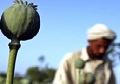 UN News: Opium poppy cultivation in Afghanistan reached a record-high last year, leading to unprecedented levels of potential heroin on the world market, the United Nations Office on Drugs and Crime (UNODC) said in a new report released on Monday. The report noted opium cultivation increased by 63 per cent; from 201,000 hectares in 2016 to an estimated 328,000 hectares in 2017. Full news...
-
May 4, 2018 :: RSS :: Print :: Email
 The Intercept: In October 2008, the Justice Department and the Drug Enforcement Administration heralded the arrest of Haji Juma Khan on narcotics and terror charges. His capture, they said, dealt a punishing blow to the Taliban and the symbiotic relationship between the insurgent group and Afghan drug traffickers. Yet, unbeknownst to all but the closest observers of the largely forgotten Afghanistan War, Khan was quietly released from Federal Bureau of Prisons custody last month. Full news...
-
November 16, 2017 :: RSS :: Print :: Email
 The Guardian: For a decade, the office of the British Provincial Reconstruction Team in Helmand was busy dispersing hundreds of millions of aid dollars across the province. Now, the base is barren; stripped of everything of value. Occasional moans reverberate down the corridors where gaunt-looking men sleep, belly-down, seeking respite from the sun beating through the windows. All of them are recovering drug addicts. Full news...
-
November 15, 2017 :: RSS :: Print :: Email
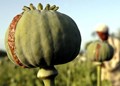 UN News Center: A profoundly alarming trend in the cultivation and production of opium in Afghanistan reveals an 87 per cent production increase compared to 2016, the United Nations Office on Drug and Crime (UNODC) said Wednesday in its Afghanistan Opium Survey 2017. “It is high time for the international community and Afghanistan to reprioritize drug control, and to acknowledge that every nation has a shared responsibility for this global problem,” said UNODC Executive Director Yury Fedotov. Full news...
-
February 10, 2017 :: RSS :: Print :: Email
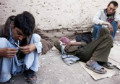 TOLOnews.com: Drug addicts living under the Pul-e-Sukhta Bridge in Kabul claim to give feral dogs in the area drugs so that they sleep next to them at night as they try to stay warm. Addicts say they spend between 500 Afs and 800 Afs a day on drugs, using money earned in any way possible. Doctors have warned however, that this practice is extremely unhealthy as the dogs carry diseases. Full news...
-
January 15, 2017 :: RSS :: Print :: Email
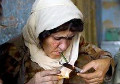 IWPR: Yagana spends her days and nights on the streets of Herat city, begging passersby for money to feed her drug addiction. She doesn’t know her exact age, although thinks she might be around 18 years old. She looks well into her thirties. “When I got married, I was very young, maybe 12 years old,” she told IWPR. “I did all the work around the house and got very tired. Full news...
-
December 25, 2016 :: RSS :: Print :: Email
 The Killid Group: The government claims hundreds of arrests and destruction of opium fields but it has not even slightly dented the alarming growth in narcotics trade. An October report of the government and UNODC (UN Office on Drugs and Crime) announced a 43 percent increase in drug production. Last week, the ministry of counter narcotics (under the interior ministry) reported a 95 percent increase in the detection rate. Full news...
-
December 7, 2016 :: RSS :: Print :: Email
 IWPR: Activists and officials in the Afghan province of Herat have warned that rising numbers of children are being recruited to work as drugs mules by local trafficking networks. Street children are particularly vulnerable, amid a massive rise in addiction among minors in the western province. Full news...
-
October 23, 2016 :: RSS :: Print :: Email
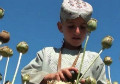 BBC News: Opium production in Afghanistan has increased by 43 percent in the past year, United Nations officials have said. The UN Office on Drugs and Crime (UNODC) said the area used to farm the poppy plant, the source of opium, increased by 10 percent to 201,000 hectares. But better farming conditions resulted in a higher yield per hectare, increasing overall production. Full news...
-
August 30, 2016 :: RSS :: Print :: Email
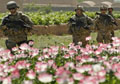 teleSUR: Since the U.S.-led NATO invasion of Afghanistan in 2001, the production of opium in the country has increased by 40 times according to Russia’s Federal Drug Control Service, fueling organized crime and widespread death. The head of the FSKN, Viktor Ivanov, explained the staggering trend at a March U.N. conference on drugs in Afghanistan. Opium growth in Afghanistan increased 18 percent from 131, 000 hectares to 154, 000, according to Ivanov’s estimates. Full news...
-
June 3, 2016 :: RSS :: Print :: Email
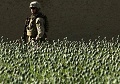 Counterpunch: So Taliban supremo Mullah Mansour’s white Toyota Corolla was rattling across the Baluchestan desert just after it had crossed the Iranian border when a Hellfire missile fired from a US drone incinerated it into a charred / twisted wreck. That’s the official narrative. The Pentagon said Mansour was on Obama’s kill list because he had become “an obstacle to peace and reconciliation.” Full news...
-
May 2, 2016 :: RSS :: Print :: Email
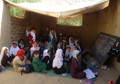 TOLOnews.com: Education officials in north-eastern Badakhshan province on Monday said that nearly 400 teachers, in four districts, are drug addicts and continue to teach students. Abdul Hai Entezami, head of the provincial education department, said they plan however to start discussions with these teachers soon. Full news...
-
May 1, 2016 :: RSS :: Print :: Email
Global Research: On March 29, 2016 the White House issued a press release on its new heroin initiative. The Washington Post described how much Obama proposed to do. The long list of fixes and new public-private partnerships relate almost exclusively to treatment. The 1 billion dollars, Obama said, will treat “tens of thousands” of addicts. Additional treatment is desperately needed, but the money won’t go far. Full news...
-
December 2, 2015 :: RSS :: Print :: Email
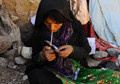 IWPR: Dirty and disheveled, 26-year-old Malalai lay surrounded by piles of rubbish under a bridge in central Kabul. She had been a drug addict for two years, after friends introduced her to heroin. Six months ago, her family threw her out and she now spent her days under the Pol-e Sokhta bridge, a place where many of the city’s drug users congregate. Full news...
-
August 1, 2015 :: RSS :: Print :: Email
The Fiscal Times: The U.S. is dealing with the most severe heroin epidemic the country has seen in years, but the public health crisis here is dwarfed by the severity of the problem in Afghanistan. And the billions of dollars the U.S. is spending to fight the epidemic in the central Asian nation seems to be having little effect. Full news...
-
June 30, 2015 :: RSS :: Print :: Email
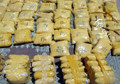 PAN: Counternarcotics police on Tuesday detained a military officer and two soldiers after recovering 19 kilograms of heroin they carried in a military pick up vehicle in northern Baghlan province. Baghlan deputy police chief Col. Abdul Rashid Bashir told Pajhwok Afghan News the drugs were being smuggled from northeastern Badakhshan province to Kabul. He said the anti-drug police seized the narcotics during a cordon in Pul-i-Khumri, the provincial capital. Full news...
-
May 10, 2015 :: RSS :: Print :: Email
 Al Jazeera: Afghanistan’s poppy fields are thriving, with cultivation of the crop hitting record highs last year. Poppy produces opium, the main ingredient in heroin. Already, the country supplies 90 percent of the world’s heroin, leading to tens of thousands of deaths every year. Not only is Afghanistan the global leader in opium production, but Afghans are now the leading consumers of their own drugs. Full news...
-
May 8, 2015 :: RSS :: Print :: Email
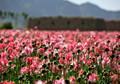 Al Jazeera America: Afghanistan is in the grips of a drug epidemic that some say is far more dangerous than the Taliban. And those behind the trade remain defiant in the face of efforts to rid the country of their presence. “They’ll never stop us. You see, we’ve tasted the profits, so we’ll never let go,” said one smuggler when asked whether the government would ever be able to stop the illegal business. Full news...
-
April 17, 2015 :: RSS :: Print :: Email
 The Guardian: In a war full of failures, the US counternarcotics mission in Afghanistan stands out: opiate production has climbed steadily over recent years to reach record-high levels last year. Yet one clear winner in the anti-drug effort is not the Afghan people, but the infamous mercenary company formerly known as Blackwater. Full news...
-
February 7, 2015 :: RSS :: Print :: Email
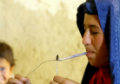 USA Today: Men, women and children sit listlessly on the unkempt lawn of a hospital for drug addicts in this northern Afghan city. Inside, the waiting area is packed with women clad in light blue burqas, each with three or four kids in tow. Ana Gul, 35, an opium user for eight years, says she came here after failing to kick her habit because opium cures her head and body aches. Full news...
-
January 8, 2015 :: RSS :: Print :: Email
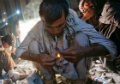 The Washington Post: The scene beneath a crumbling overpass in this capital city was a vision from hell. Hundreds of figures huddled together in the shadows, crouching amid garbage and fetid pools of water. Some injected heroin into each other’s limbs or groins in full view; others hid under filthy shawls to cook and inhale it. An elderly man in a turban wandered among the addicts, showing them a snapshot of his missing son. Full news...
-
December 31, 2014 :: RSS :: Print :: Email
 The New York Time: Early this year, officials in Washington extolled a rare success in the fight against the drug trade in Afghanistan: The authorities there had imprisoned a leading opium trafficker on the United States’ kingpin list, Haji Lal Jan Ishaqzai. The incarceration hinted at a newfound willingness by the Afghan authorities to prosecute criminals whose clout once made them untouchable. Full news...