





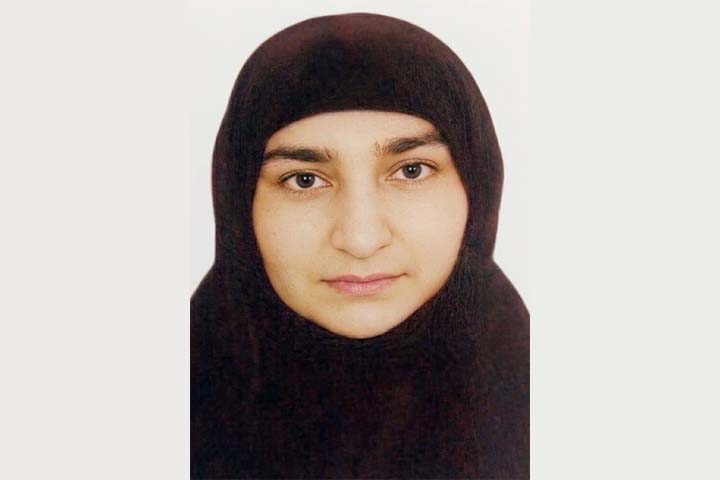
Bibi Sediqa, an ethnic Turkmen from a poor family in Badghis province, was arrested by the Taliban after refusing a forced marriage to Mawlawi Khodainazar, known as "Qazi," son of Abdul Rasul, an ethnic Pashtun who serves as a local Taliban commander. Sediqa has been held in Taliban custody under harsh conditions for 21 months.
Mawlawi Khodainazar, who is around 70 years old and holds significant influence within the Taliban, allegedly used armed intimidation to force Sediqa's father to consent to the marriage. However, Sediqa, who was only 14 years old at the time, refused the forced marriage.
Initially, the Taliban's primary court in her own district ruled in Sediqa's favor. However, Mawlawi Khodainazar used his connections with the judge of the Badghis provincial court to have the case transferred to the provincial center, where a ruling was issued in his favor. Bibi Sediqa was subsequently imprisoned under a judgment that her family considers unlawful and unjust.
During her imprisonment, Sediqa has suffered severe psychological trauma. In the absence of justice and an independent judicial system, she has remained in detention, where Taliban members have at times allegedly tortured her in an effort to force her to accept marriage to the commander. Her mother has also developed serious health problems as a result of the emotional distress caused by her daughter's detention.
The case was thrust into the public spotlight after Sediqa's mother released a video appeal, urging authorities to free her daughter and drawing renewed attention to the sutiation. The man who had supported Bibi Sediqa, was killed by gunmen affiliated with Khodainazar. Since then, Sediqa's case has remained unresolved, and she continues to be detained in Taliban custody without any clear legal resolution.
Sources close to Bibi Sediqa's family say Taliban authorities recently proposed a settlement under which she would be married to the man claiming the right to marry her for three days in order to close the case.
Bibi Sediqa's family says no practical steps have been taken and no independent committee has been appointed to investigate the case.
Sediqa's case is one of many example of the atrocities and grave abuses reported across Afghanistan, where the Taliban have subjected women and girls to forced marriages, arbitrary detention, and other serious violations. Many of these cases receive little public attention, particularly when the victims come from poor or marginalized communities. The treatment of women and girls by the Taliban in such cases reflects a deeply disturbing, disgusting pattern of injustice that continues to devastate lives across the country.